
Even before micronations gained popularity as an online fad, an Iranian-born member of the pre-state Palmach fighting force had already formed an independent country with its own president, national passport and national anthem in a beautiful part of Israel’s northern Mediterranean coast. One of the quirkiest stories of territorial rebellion, legal gamesmanship and coastal defiance in the Middle East, the declared “State of Achziv” was founded by late Eli Avivi on a stretch of Israeli coastline close to the Lebanese border.
The declared state has a history that dates way back to 1952, when Avivi moved into two of the remaining buildings in the old coastal town of Achizv, close to the remnants of the village of Al-Zeeb

Over subsequent decades, he transformed the property into a personal haven and an open-air museum housing thousands of regional antiquities and maritime artefacts, quickly drawing artists, international travellers, and free spirits. Tensions escalated dramatically in 1970 when state planning authorities designated the surrounding coastline for national park development and officially ordered Avivi to clear the location.
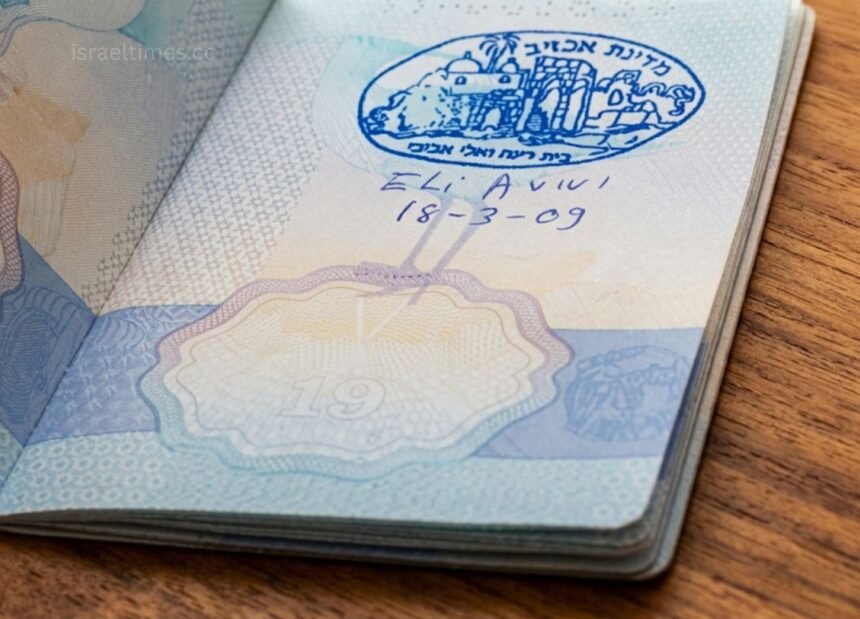
Refusing to vacate his home, Avivi and his wife, Rina, orchestrated an unprecedented act of political resistance in 1971 by tearing up their official Israeli identification documents and declaring full sovereign independence. The newly formed micro-state crafted a national flag featuring a local historic building, authored a patriotic anthem, drafted a constitution that humorously appointed Avivi president via his own singular vote, and stamped official souvenir passports for curious international visitors.
The resulting legal fallout took an unexpected turn after law enforcement detained Avivi for illegally establishing a sovereign state on public territory. Israeli courts ultimately concluded that no statutory law explicitly rendered the personal declaration of a private nation illegal under domestic law. Avivi incurred only a minor fine for damaging government property, eventually securing a long-term 99-year lease agreement from state authorities that permitted him to remain on the property without receiving formal state recognition.
Following the legal compromise, the State of Achziv grew into a renowned cultural landmark, attracting prominent global figures including international film icons Sophia Loren and Paul Newman, as well as senior political leaders such as former Israeli Prime Minister Shimon Peres. The coastal enclave also weathered genuine security threats, most notably in January 1971 when six armed militants arriving by sea from Lebanon attempted an attack on the residence before being held at gunpoint by Rina Avivi until security forces arrived. Since Eli Avivi’s death in May 2018 at the age of 88, the site has continued operating as a seaside museum and guesthouse, preserving the unique legacy of Israel’s most famous sovereign anomaly. Israel Times