
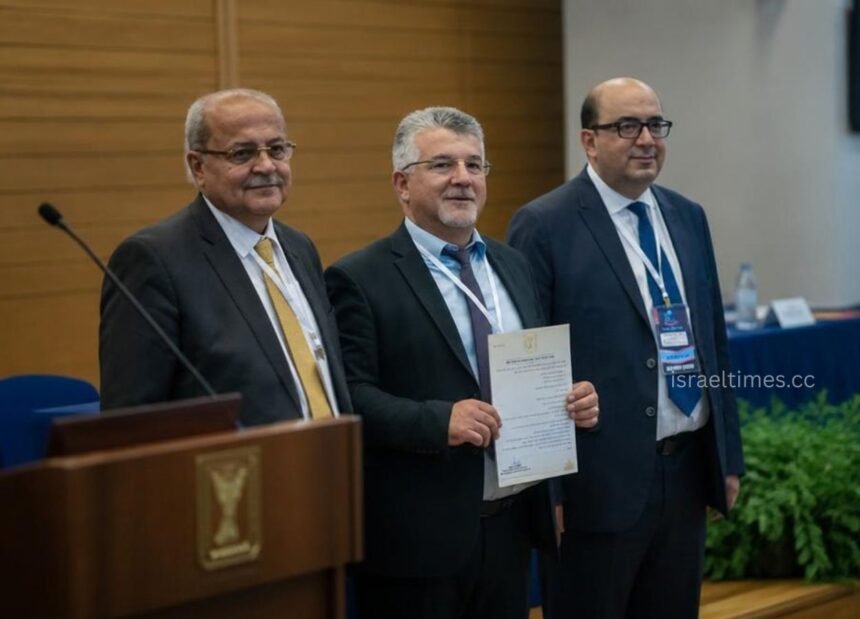
The Israel Central Election Committee met on wednesday from hearing. The committee is reviewing petitions. These petitions are meant to disqualify political groups and candidates. The focus is mainly on Arab-majority parties and wing lawmakers. The hearing takes place before the election on October 27. Israel Central Elections Committee
The committee is led by Supreme Court Deputy Chief Justice Noam Sohlberg. It has 31 members in total. The motions being reviewed were filed by Prime Minister Benjamin Netanyahu’s Likud party. They were also filed by National Security Minister Itamar Ben-Gvir’s far-right group, Otzma Yehudit.
The petitions aim to ban Mansour Abbas’s Ra’am party, which’s Islamist. They also target the Joint List alliance. Individual candidates are also under scrutiny. This includes MK Ofer Cassif. It also includes Balad chairman Sami Abu Shehadeh. The goal is to keep them from running in the election.

Right-wing petitioners contend that the targeted Arab factions and candidates reject Israel’s fundamental character as a Jewish and democratic state or provide tacit support for armed struggle, invoking Section 7A of Basic Law: The Knesset. In parallel, counter-petitions were submitted by the left-wing Democrats party and civil rights groups aiming to disqualify Otzma Yehudit and Finance Minister Bezalel Smotrich’s Religious Zionism slate over allegations of incitement to racism and undermining democratic principles.
The legal challenges unfold against a tight political landscape where coalition arithmetic remains severely constrained. With Netanyahu’s governing bloc currently lacking a clear line to a 61-seat parliamentary majority in public opinion polls, excluding Arab-majority slates could significantly alter the balance of power. The governing coalition presently holds a numerical majority on the CEC, making party-line votes to disqualify opposition slates highly likely within the politically appointed committee.
However, legal experts emphasize that decisions rendered by the CEC face mandatory Supreme Court oversight and appeal, where justices have historically maintained a high evidentiary standard for political exclusion. Attorney General Gali Baharav-Miara has already advised the committee that current evidence falls short of the rigorous legal threshold required to uphold the disqualification of these parliamentary lists, making any administrative bans unlikely to survive judicial review. Israel Times